World AMR Awareness Week (WAAW)
The Department of Public Health at the Educational and Scientific Medical Institute joined World AMR Awareness Week, which is held annually from November 18 to 24.
The invention of antibiotics was one of the greatest breakthroughs of the 20th century – they saved millions of lives and changed the history of medicine. However, today this progress is under threat:
The invention of antibiotics was one of the greatest breakthroughs of the 20th century – they saved millions of lives and changed the history of medicine. However, today this progress is under threat: bacteria are rapidly becoming resistant to antibiotics, and many infections are becoming more difficult or even impossible to treat. According to the WHO, at least 700,000 people worldwide die each year from infections that are resistant to antimicrobial drugs. This is one of the greatest threats to global health, requiring joint action from healthcare workers, public health specialists, patients, educational institutions, and government policymakers.
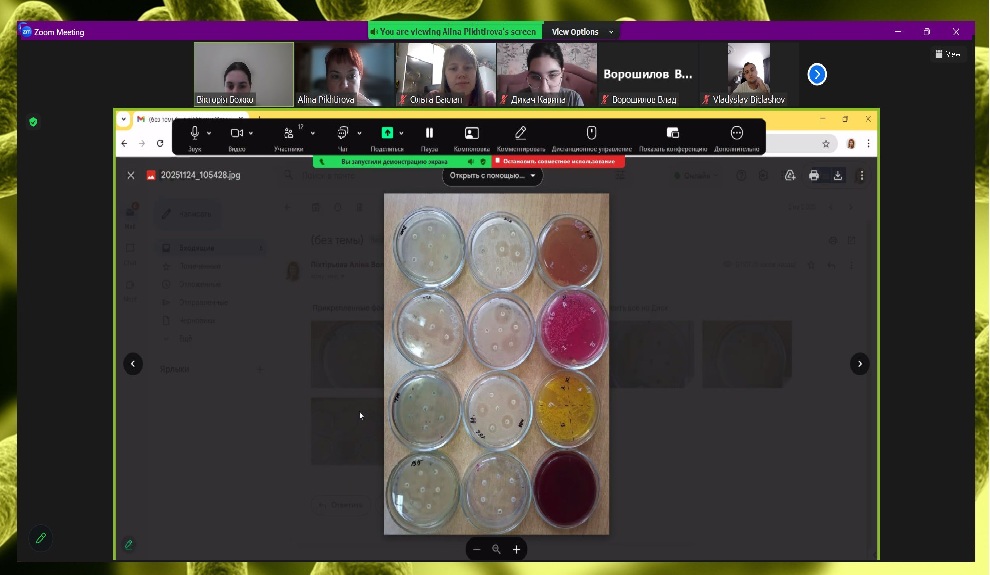
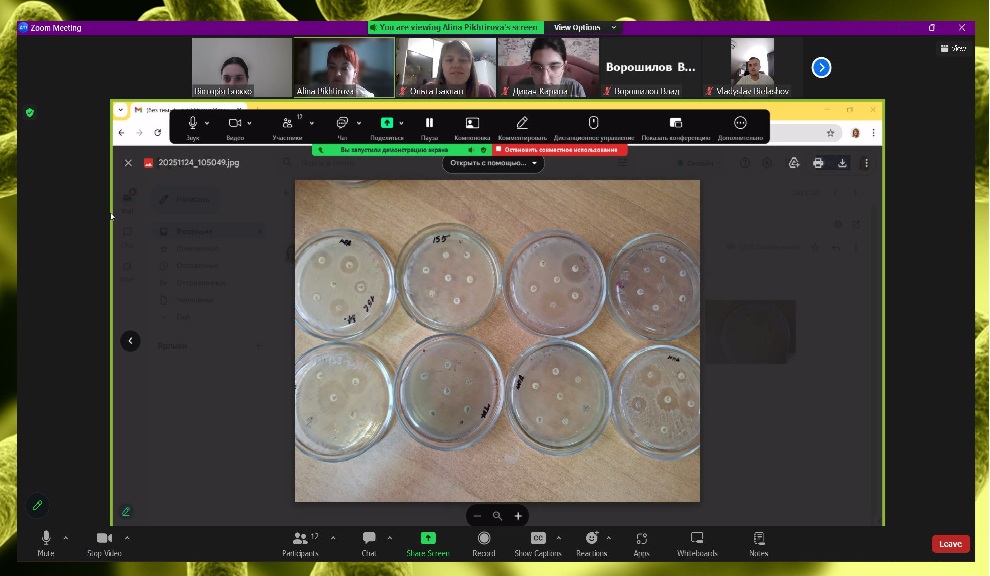
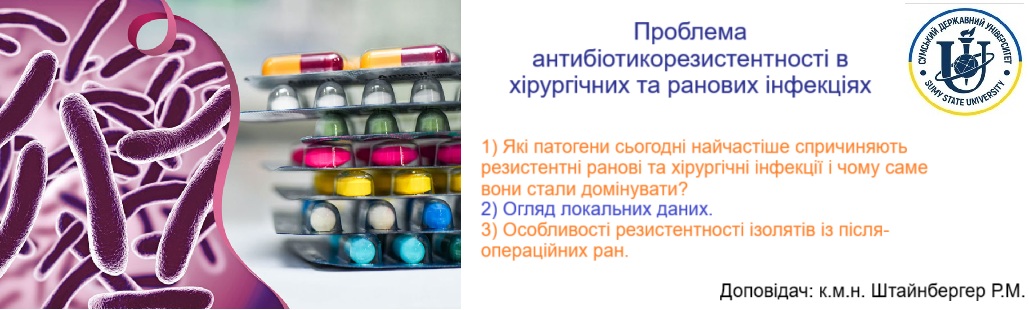
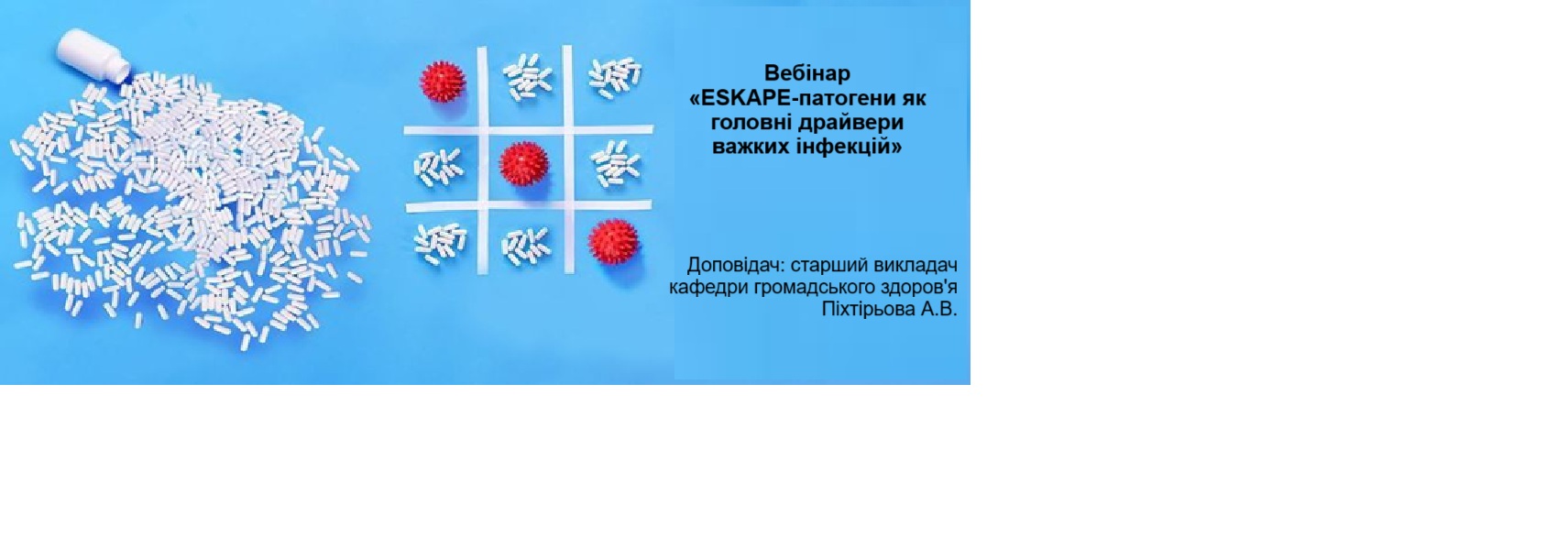
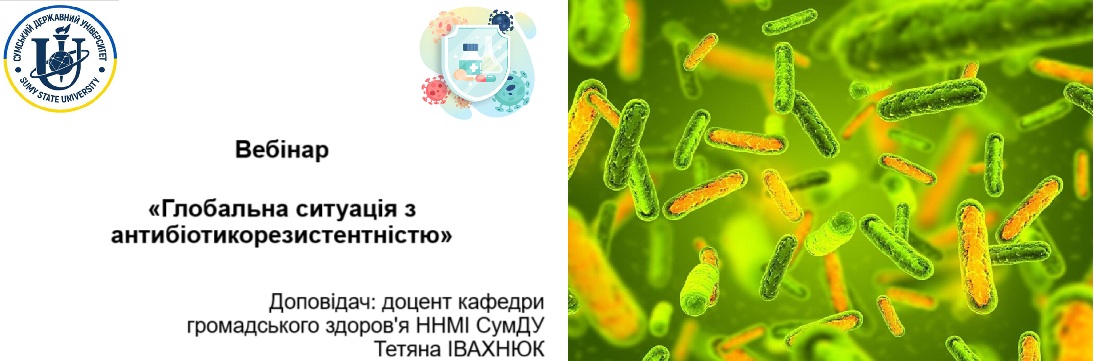
The WAAW departmental webinars, held on November 18-24, discussed the following topics «The global situation with antibiotic resistance» (key trends in the world and in Ukraine, WHO forecast for the growth of resistance by 2050); «ESKAPE pathogens as the main drivers of severe infections» (the role of Klebsiella pneumoniae, Acinetobacter baumannii, Pseudomonas aeruginosa, Staphylococcus aureus; current challenges in the treatment of wound and postoperative infections); “The problem of antibiotic resistance in surgical and wound infections” (review of local data from the department; characteristics of resistance in isolates from postoperative wounds; clinical consequences of irrational antibiotic therapy; «Antimicrobial Stewardship» (principles of rational use of antibiotics; algorithms for prescribing in conditions of growing resistance; role of the clinical microbiologist); «»One Health» in combating AMR» (interconnection between human, animal, and environmental health; intersectoral cooperation in overcoming AMR); «Infection Prevention and Control» (hand hygiene as the simplest and most effective method; sanitary and epidemiological measures in healthcare facilities; rational use of antiseptics and disinfectants). A separate Q&A session was held, where students and teachers of the Department of Public Health had the opportunity to discuss clinical cases, clarify the mechanisms of resistance, and receive advice on the practical application of knowledge in their future professional activities.
Such discussions not only help to broaden horizons but also shape a responsible attitude towards the use of antibiotics in the healthcare system.
We sincerely thank all webinar participants for their active participation, interesting questions, and willingness to deepen their knowledge in the field of combating antibiotic resistance.